
Few classic cocktails look as simple as a Gimlet. Gin, lime cordial and ice seem unlikely to inspire arguments about authenticity, send bartenders digging through century-old recipe books or earn a place in the pages of Raymond Chandler. Yet more than a century after the name appeared in print, people are still making the drink in remarkably different ways.
At its heart, a Gimlet is a combination of gin and sweetened lime cordial. Early recipes generally used equal parts of the two, creating a sweet, concentrated drink that bears some resemblance to the modern version but tastes considerably different. Contemporary bartenders often reach for fresh lime juice and simple syrup instead, producing a brighter and drier cocktail.
Gin gives the drink its backbone. Juniper is usually the dominant botanical, although floral, herbal, spicy and citrus notes can all show up depending on the bottle. With so little standing between the spirit and your palate, changing the gin can alter the entire character of the cocktail.
Gimlet Cocktail Ingredients
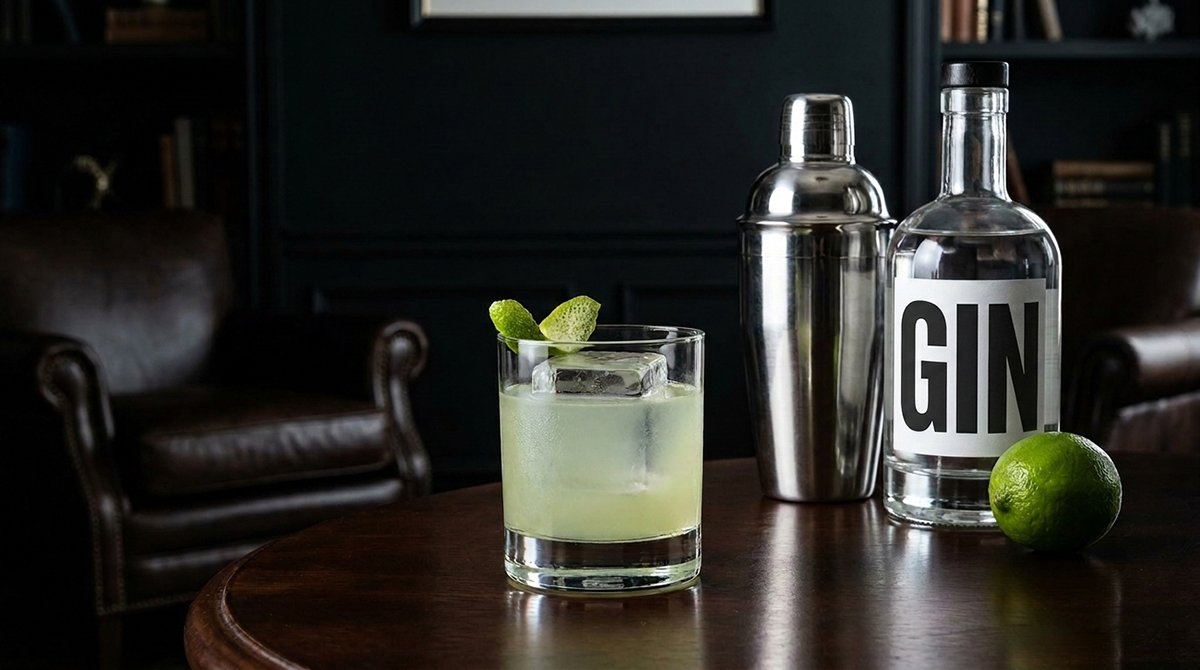
The original formula is remarkably short. Gin, sweetened lime cordial and ice are all you need, with a lime wheel or wedge available if you want a garnish. Cordial is doing double duty here because it provides both the fruit and the sugar, which is why the traditional recipe does not require a separate sweetener.
Equal parts gin and cordial is the classic starting point. Pour 1½ ounces of each over ice, stir until chilled and strain into a chilled cocktail glass. Expect a sweeter, fuller drink than the fresh-juice version served in many contemporary bars.
Where Did the Gimlet Come From?
Lime juice was protecting sailors from scurvy long before anyone thought of putting it in a cocktail. The Merchant Shipping Act of 1867 required certain foreign-going British ships to carry a sufficient quantity of lime or lemon juice, or approved alternatives, as part of measures against scurvy. Lauchlan Rose patented an alcohol-free method for preserving lime juice that same year, and Rose’s Lime Juice Cordial was subsequently widely distributed.
Cocktail history gets more interesting once gin enters the picture. Tom Bullock’s 1917 The Ideal Bartender included a Gillette Cocktail made with Old Tom gin and fresh lime juice, while Harry MacElhone’s 1922 Harry’s ABC of Cocktails used the name Gimlet for equal parts gin and Rose’s Lime Juice and described it as popular in the Navy. By 1922, the familiar name and the Rose’s-based recipe were both in print.
By 1930, the Savoy Cocktail Book was giving readers another version. Its Gimlet called for equal parts Plymouth gin and Rose’s Lime Juice Cordial, while a separate Gimblet used dry gin, lime juice and soda water. Early cocktail books make one thing clear: the Gimlet’s identity was established before its formula became completely standardized.
Nobody can say with complete confidence where the name came from. One theory connects it to the small hand tool used for boring holes in wood, while another credits Sir Thomas Desmond Gimlette, a British naval surgeon associated with sailors during the period. Both stories have been repeated for decades, but neither has been conclusively established, so the name remains part of the drink’s lore rather than settled history.
What Does a Gimlet Taste Like?
Sweetness and acidity arrive first, followed by the character of the gin. Rose’s Lime Juice Cordial gives the traditional preparation a distinctive preserved flavor, while the spirit keeps the drink firmly in cocktail territory rather than letting it taste like a simple sweet-and-sour. A juniper-heavy gin makes the drink more aromatic and assertive, while a softer botanical profile allows the fruit and sweetness to take a larger role.
Fresh juice changes the balance rather than simply making the same drink taste fresher. Acidity becomes more pronounced, sweetness can be adjusted separately and the gin tends to stand out more clearly. Anyone accustomed to the cordial version may be surprised by how much the drink changes when the two ingredients are separated.
Fresh Lime vs. Lime Cordial
The distinction matters because lime cordial is not simply bottled lime juice. Sweetened cordial combines fruit flavor with enough sugar to balance its acidity, while fresh lime juice brings tartness without the sweetness required to make a finished cocktail. Using one in place of the other therefore changes both the recipe and the character of the drink.
One modern approach uses 2 ounces of gin, ½ ounce of fresh lime juice and ½ ounce of simple syrup. Shake the ingredients with ice and strain into a chilled cocktail glass, then adjust the proportions the next time around if you prefer more sweetness or more bite. Separating the juice and sugar gives you control that the traditional cordial does not.
One wrinkle is the word cordial itself. In the United Kingdom and other Commonwealth countries, cordial generally means a nonalcoholic sweetened drink, while Rose’s is commonly described in the United States as sweetened lime juice. The terminology varies, but the role of the ingredient in the classic Gimlet is straightforward: it supplies both the fruit and the sweetness.
What Is a Gimlet With Vodka?
Replacing gin with vodka strips away much of the botanical character and leaves a cleaner, more neutral drink. Vodka became a popular alternative to gin in the late twentieth century, giving people a way to enjoy the familiar combination without the juniper and other aromatics that define gin. The change is simple, but the effect is significant.
A modern Vodka Gimlet uses 2 ounces of vodka, ½ ounce of fresh lime juice and ½ ounce of simple syrup. Shake everything with ice and strain into a chilled cocktail glass, adding a lime garnish if desired. Neutral vodka puts more attention on the fruit and sweetness, while a flavored or characterful vodka can push the drink in a different direction.
Gimlet Recipes Worth Trying
Three versions are enough to understand why people continue to disagree about the “right” Gimlet. The classic cordial preparation connects directly to the drink’s early identity, fresh juice represents the approach common in modern cocktail bars, and vodka changes the base without abandoning the basic formula. Tasting them side by side makes the evolution much easier to understand.
Classic Gimlet
1½ ounces gin
1½ ounces sweetened lime cordial
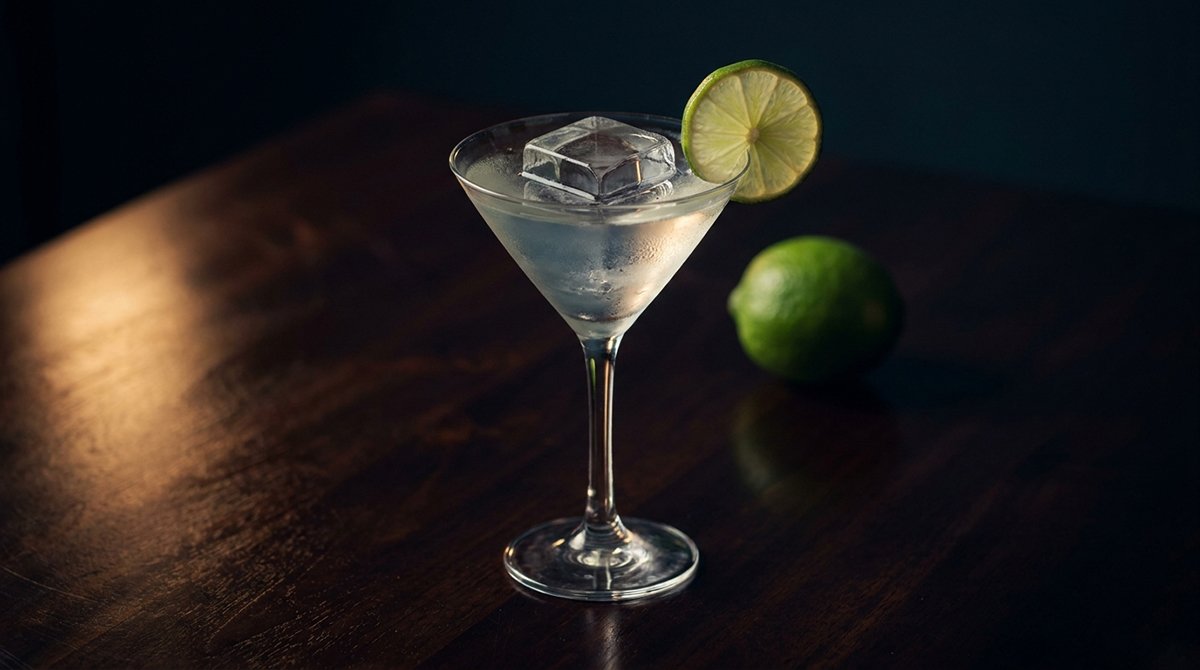
Stir the gin and cordial with ice until thoroughly chilled, then strain into a chilled cocktail glass. A lime wheel or wedge makes a simple garnish, although the drink needs little else. Expect a sweeter, rounder cocktail with the distinctive preserved character of the cordial, which is the flavor profile most closely associated with the traditional recipe.
Fresh Lime Gimlet
2 ounces gin
½ ounce fresh lime juice
½ ounce simple syrup
Shake the ingredients with ice and strain into a chilled cocktail glass. Fresh juice gives the drink more pronounced acidity, while the separate syrup lets you adjust the sweetness to suit your gin and your taste. Start with the proportions above, then make small adjustments rather than changing the recipe dramatically.
Vodka Gimlet
2 ounces vodka
½ ounce fresh lime juice
½ ounce simple syrup
Shake with ice and strain into a chilled cocktail glass, adding a lime garnish if desired. Vodka removes the botanical layer supplied by gin, so the fruit and sweetness become more prominent. Anyone who finds a gin Gimlet too herbal may prefer this version, while gin drinkers may find it noticeably less complex.
Raymond Chandler’s Gimlet
Raymond Chandler gave the Gimlet one of its most memorable literary appearances in The Long Goodbye, published in 1953. A character in the novel insists that a proper Gimlet consists of half gin and half Rose’s Lime Juice, dismissing a bar’s version made with lime or lemon juice, gin, sugar and bitters. Chandler did not invent the equal-parts recipe, but his description helped preserve that particular version in popular culture.
Chandler’s Gimlet also captures something that has become less familiar to modern drinkers. Fresh juice and simple syrup are now common in contemporary recipes, while Philip Marlowe’s drink depends on the bottled cordial that defined an earlier era. A fictional detective having such a specific opinion about his drink may be one reason the Gimlet remains unusually easy to recognize outside the bar.
Why the Gimlet Has Stayed Around
Few cocktails have changed as much while keeping such a recognizable identity. The classic drink moved from preserved cordial to fresh juice, became drier, picked up a vodka variation and survived several generations of changing cocktail fashion. Through all of those shifts, the basic attraction has remained the same: strong spirit, tart fruit and enough sweetness to bring them together.
Simplicity helps. A cocktail with three principal ingredients leaves little room for a mediocre base spirit to hide, and switching the gin can change the experience without adding another ingredient. Our Gin Is In article takes a closer look at gin itself, and the Gimlet is a good example of what happens when a cocktail gives its base spirit so little competition.
The Gimlet’s recipe may fit on a cocktail napkin, but its history does not. What began with a practical need for preserved citrus juice became a classic cocktail, developed competing interpretations and eventually found a memorable place in American literature. Make the old-school version, try it with fresh juice and decide for yourself which one deserves to be called the real Gimlet.
Tags Classic Cocktails Cocktail Recipes Cocktails for Men Gimlet Gimlet Cocktails gin Men's Drinks